A whole approach to women’s wellbeing
English edition launching in early 2027. The training is already available in French: Formation Yoga de la Femme.
The Women’s Yoga training is a complete and accessible method of yoga for women of all ages, designed to support them through every stage of life. Whether you are new to yoga or an experienced practitioner, it offers a path that brings together science, yoga therapy and traditional yoga teachings to support women’s health and balance. Women’s Yoga | AliaOm Method is the approach Alia has built and has been teaching since 2011. It draws on yoga therapy, the anatomy of the pelvis and pelvic floor, and work on the menstrual cycle, perimenopause, menopause and emotions.
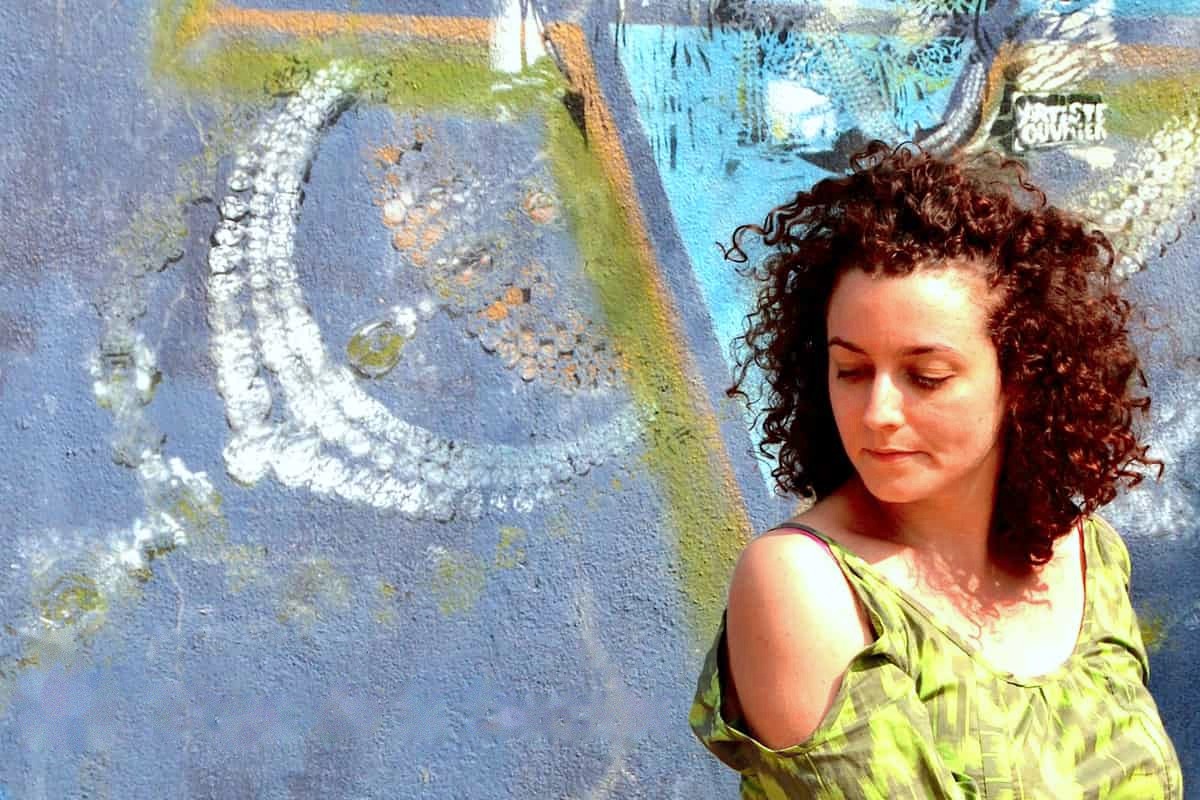
Portrait by Bruno Blot, at Dune Eco Village, near Pondicherry
Contents:
A training in 3 modules
The AliaOm Method Foundations
A holistic, personalised approach
Who is this training for?
Practical information
A training in 3 modules
The Women’s Yoga training is made up of three modules, with downloadable documents and videos recorded live with Alia. Each module explores one essential dimension of the method, so the tools of Women’s Yoga can be taken in step by step.
Module I: Foundations of Women’s Yoga
• The foundations of yoga and yoga therapy applied to women’s health.
• The anatomy of the pelvis and pelvic floor.
• How the organs and systems of the lower pelvis work.
• The energies held in this “sacred bowl”, a source of women’s wellbeing.
• Joint mobility and adapting your practice to the menstrual cycle.
Practice: the phases of the menstrual cycle and a practice to honour the luteal phase, the flow of Prana and Apana, the musculoskeletal system.
Topics covered: Tantra, yoga therapy for women, being a woman today, Shakti and Shiva Shakti, the chakras, pranayama, the bandhas, Ayurveda, mantras, mudras, the postures and their benefits, the bony pelvis and the pelvic floor muscles, chronobiology and the internal clock, using the Lunar Mandala Kit.
Module II: Deepening and adapting the practice
• A practice suited to the dynamic phase of the cycle.
• Strengthening the abdominal and pelvic muscles.
• An in-depth study of perimenopause and menopause.
• Understanding the most common conditions of the female reproductive system, to adapt the practice alongside medical care.
• Yoga and yoga therapy tools for comfort and ease.
Practice: a practice to honour the dynamic phase of the cycle, focused on digestion and abdominal and pelvic strength.
Topics covered: Ayurveda, perimenopause and menopause, yoga therapy and menopause, the endocrine system, the 6 neurotransmitters and nutritional balance, biomechanical yoga therapy, menstrual disorders, common conditions and adapted practice protocols, chrononutrition.
Module III: Teaching and passing on the method
• Teaching the AliaOm Method of yoga therapy for women.
• The methodology of one-to-one and group support.
• The yoga of emotions, to work with the psycho-emotional sphere.
• The teacher’s stance, the role and ethics of the practitioner.
• A post-training pack: 7 class plans, 7 relaxations or meditations, and a yoga therapy intake questionnaire.
Practice: an integration practice for the balance of energies in the body, in connection with endocrine function, the cycle, perimenopause and emotional balance.
Topics covered: Rasa yoga, Swara yoga, the psycho-emotional sphere, the koshas, the chakras and the 5 elements in Ayurveda, the yoga therapy consultation, the Women’s Yoga methodology.
The AliaOm Method Foundations
The Women’s Yoga, Prenatal Yoga and Postnatal Yoga trainings all rest on the AliaOm Method Foundations: three modules, Yoga Anatomy for Women, Yoga Philosophy and Yoga Therapy, with interactive workshops and practical classes. They enrich your practice and deepen your understanding of women’s specific needs. The Foundations are not included in the Women’s Yoga training: they are offered separately and recommended alongside it.
Yoga Therapy
How yoga can support physical and emotional wellbeing. The module opens with an introductory article, followed by workshops, webinars, practical classes and case studies.
Yoga Philosophy
An exploration of the philosophical roots of yoga: its history, its origins, its many forms, and the place of mudras and chakras in practice.
Yoga Anatomy
Women’s anatomy in relation to yoga practice: understanding the female pelvis, the link between the body and the postures, and adapting the practice to women’s needs. The module also includes a webinar on breathing with Blandine Calais-Germain.
A holistic, personalised approach
The training goes beyond physical practice. It brings tradition and science together: principles from yoga, yoga therapy and Ayurveda, connected with current knowledge in biology, chronobiology and neuroscience.
You will explore:
• The role of neurotransmitters in the biology of wellbeing.
• How sleep and food affect women’s balance.
• Chronobiology and stress management.
A varied practice
• Mobility sequences for the pelvis and spine.
• Mudras, mantras and Moon Salutations.
• Deep relaxation.
• Exploring the 5 elements in Ayurveda.
The programme offers practical tools, whether you are a practitioner wishing to deepen your own experience or a teacher wishing to pass this knowledge on to your students.
Who is this training for?
• Women of all ages, with or without a menstrual cycle, who wish to deepen their yoga practice in connection with their balance as women.
• Anyone who wants to take care of their physical and emotional balance.
• Yoga teachers, therapists, health and wellbeing professionals.
• Men who wish to support the women around them.
• Anyone who wishes to support women’s wellbeing.
Practical information
• English edition launching in early 2027, online on the AliaOm Campus.
• No prerequisites: open to everyone, beginners and experienced practitioners, women and men.
• Three modules, with videos recorded live with Alia and downloadable documents (videos cannot be downloaded).
• One year of access.
• Prefer French? The training is available now: Formation Yoga de la Femme.
• A question, or would you like to hear when the English edition opens? Contact Alia.

